Waste to Wealth
Solar panels and batteries are often retired with years of useful life left. Tested, repaired and matched to the right job, they can power homes, farms and small businesses for a fraction of the cost of new equipment, while creating local work and keeping toxic waste out of the ground.
A growing problem
Millions of solar home systems, solar lanterns and mini-grids have been installed across Africa over the past decade. Their batteries wear out first, and panels from larger installations are increasingly replaced early, not because they stopped working, but because newer ones are cheaper or more efficient.
In many countries there is little formal collection, repair or recycling. Old batteries end up in drawers, dumps and informal markets, where lead, nickel and other metals can leak into soil and water.
A real opportunity
Batteries and panels rarely fail all at once. A battery pack is only as good as its weakest cell, and a few bad cells can retire a pack that is mostly healthy. A panel that has lost a little output still makes plenty of power.
Find what still works, grade it, and put it back to work where it fits. Recycle only what is truly finished.
From pile to power
- CollectGather retired panels and batteries from solar companies, mini-grids, vehicles and installers before they reach the landfill.
- Test and gradeCheck every panel and battery module, and sort them by health using simple, fast and affordable methods.
- Match and rebuildCombine parts of similar health into balanced packs and arrays sized for a specific use.
- Put back to workPower homes, schools, water pumps, cold storage and small businesses with second-life equipment.
- Track and swapMonitor performance, swap worn packs out for retesting, and keep records of each part's history.
- Recycle responsiblySend what is truly finished to proper recycling, so materials are recovered and not dumped.
Jobs, not just equipment
Testing, grading, repairing and rebuilding is skilled work that can be done locally with the right tools and training. The aim is a local industry: technicians, repair workshops and battery-swap businesses earning an income while cleaning up a waste problem.
Our priorities
- Faster, cheaper testing, so grading a battery takes minutes, not hours of charging.
- Smarter matching, pairing parts by more than capacity so packs age evenly and last longer.
- Safe practices and clear standards for second-life equipment.
- Open data on what works, so others can build on it.
The Prius battery research
The idea behind Aloe Energy was first tested on hybrid car batteries from Fiji. That pilot is complete and not being continued, but its lessons shape everything we do now.
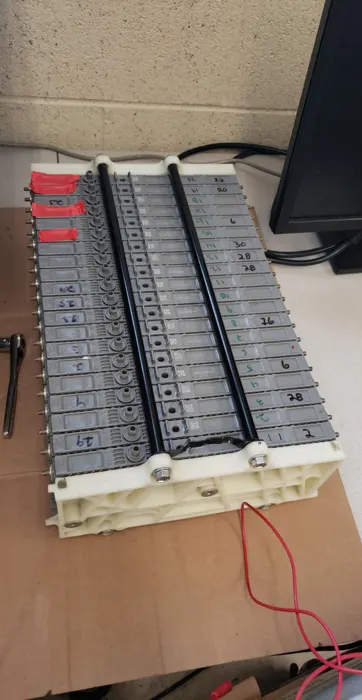
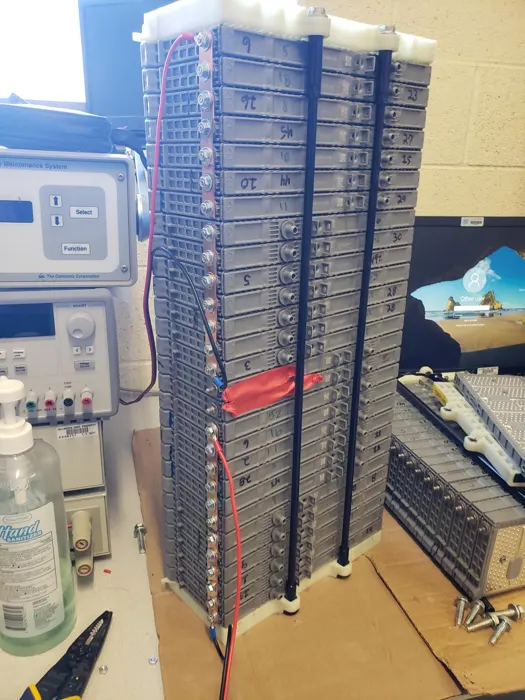
The problem
Nearly half the cars in Fiji are used Toyota Priuses. By 2021, Field Ready estimated about 15,000 of their worn-out batteries were sitting in warehouses and landfills, with no recycling available.
The test
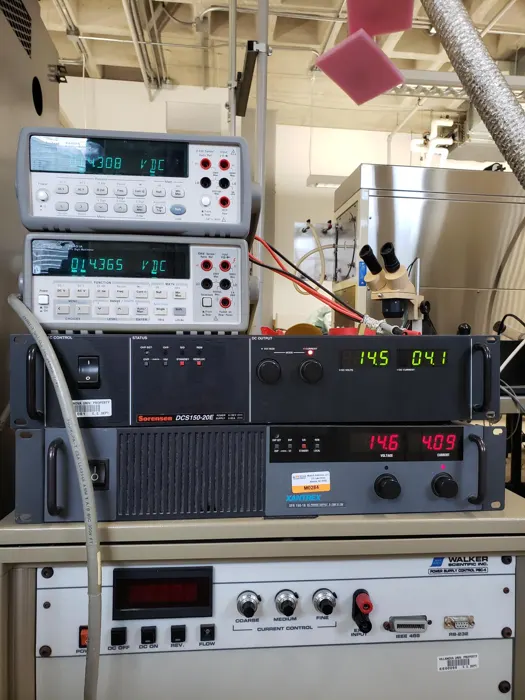
62 used modules, donated by Bumblebee Batteries and 2nd Life Batteries in Oregon, were tested at Villanova University. 47 were still good enough to reuse.
The result
Matched into small 14.4 volt packs, they delivered the 15.4 amp-hours a rural home needs each day for lights, fans and phone charging, returning 85 to 95 percent of the energy put in.