When the grid meets the mini-grid
How grid-connected mini-grids and other distributed energy resources can strengthen weak rural grids, and how the grid affects them in return.
Read more →Aloe Energy works where rural power systems meet: mini-grids connecting to national grids, solar panels and batteries that deserve a second life, and the growing wave of batteries from electric vehicles. The goal is power that is affordable, reliable and wastes nothing it doesn't have to.
Rural electrification is changing fast. Grids are reaching places mini-grids already serve, solar equipment is starting to retire, and vehicles are going electric. Each change creates a problem to solve, and an opportunity.
How grid-connected mini-grids and other distributed energy resources can strengthen weak rural grids, and how the grid affects them in return.
Read more →Testing, repairing and repurposing retired solar panels and batteries, so useful equipment powers homes and businesses instead of filling landfills.
Read more →Electric motorbikes, buses and cars are arriving across Africa. We look at their batteries from first use, to second-life storage, to recycling.
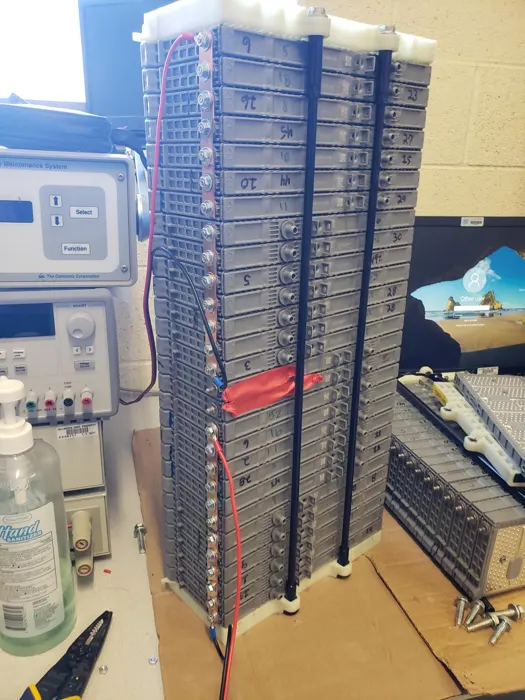
Read more →Aloe Energy grew out of master's research on worn-out Toyota Prius batteries in Fiji. That pilot is finished, but it proved the idea behind everything we do now: retired equipment often has plenty of useful life left.
Batteries and solar panels often retire with years of useful life left. Reuse them first, recycle them last.
Testing, repair and upkeep can be local jobs. The value of the work should stay in the community.
Rural power works best when the main grid and local systems support each other instead of competing.
Data, methods and findings are shared so others can check them, use them and make them better.
We are not taking online donations yet. If you would like to help with funding, equipment, data or partnership, get in touch directly.